I see many visitors to Dubai want beautiful photos of their desert safari. The henna art experience makes for truly special pictures. In this guide, I share 20 practical shot ideas for henna and cultural decor. I explain how to capture the art, the culture, and the beautiful desert setting
Golden Hour is Your Best Light
I always plan henna photos for late afternoon. The soft, warm light before sunset makes skin tones look beautiful. It is the perfect time for pictures.
Find the Henna Artist’s Corner
In the Bedouin camp, look for a seated artist with her design book. This corner is your main location. The setting feels authentic and cultural.
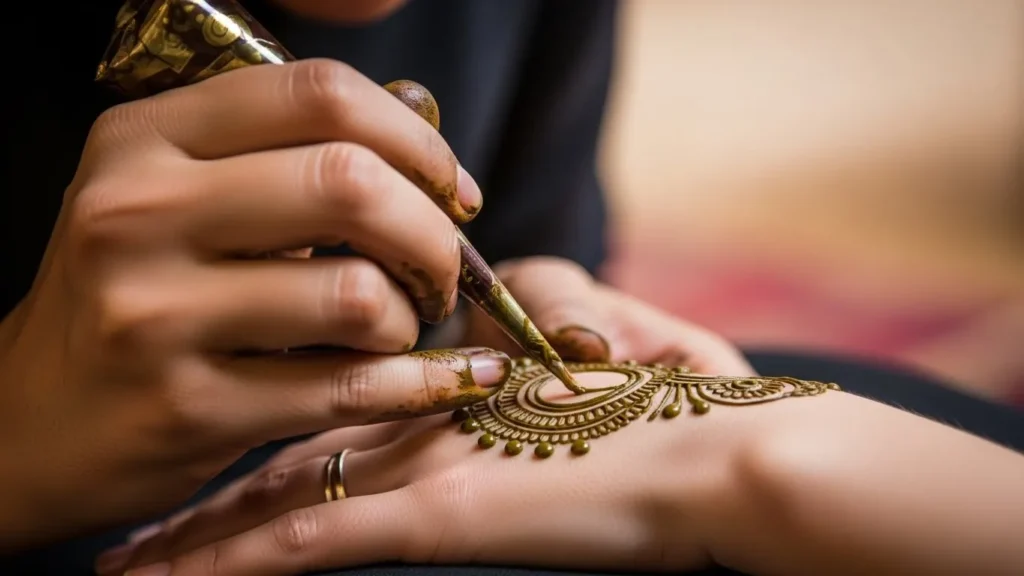
Shot 1: The Artist’s Hands at Work
Focus closely on her hands applying the paste. Capture the steady grip on the cone and the fresh, dark paste on skin. This shows the skill.
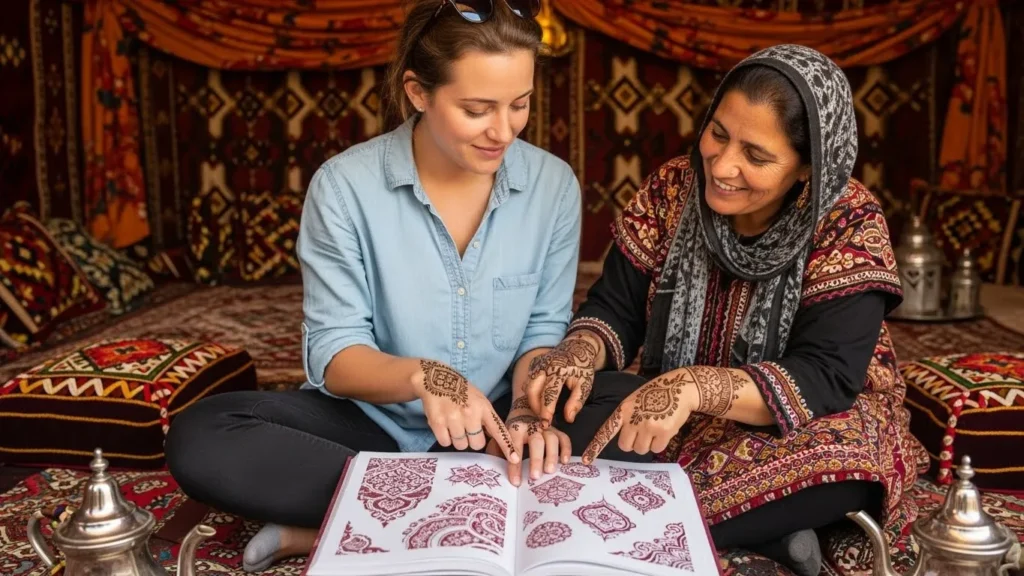
Shot 2: The Design Book Selection
Photograph the moment of choosing a design. Show the open book, the visitor’s hand pointing, and the artist’s face. It tells a story of decision.
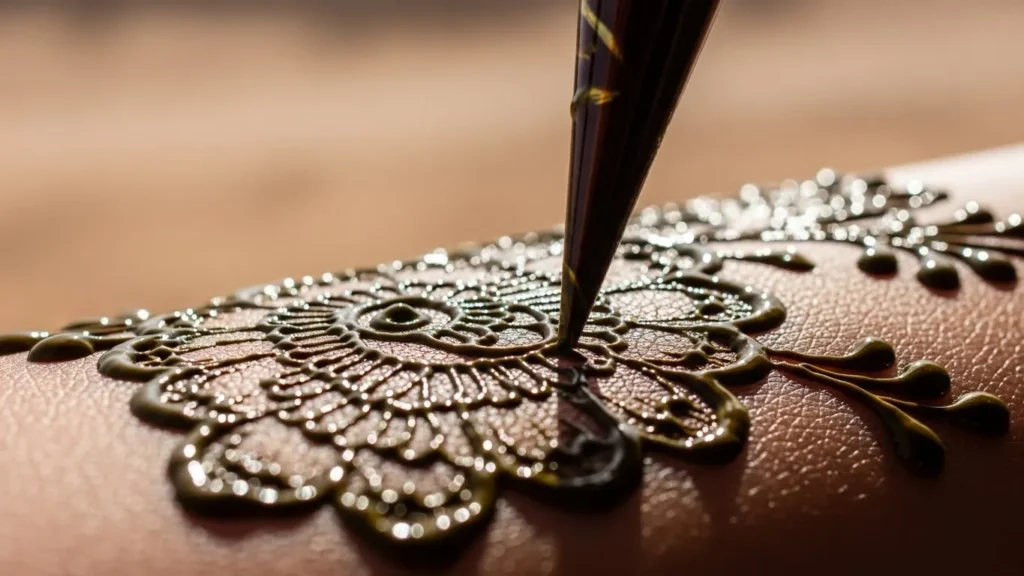
Shot 3: Fresh Paste Application Close-Up
Get a macro shot of the shiny, wet henna paste. The detailed lines look beautiful before they dry. This is a classic detail shot.
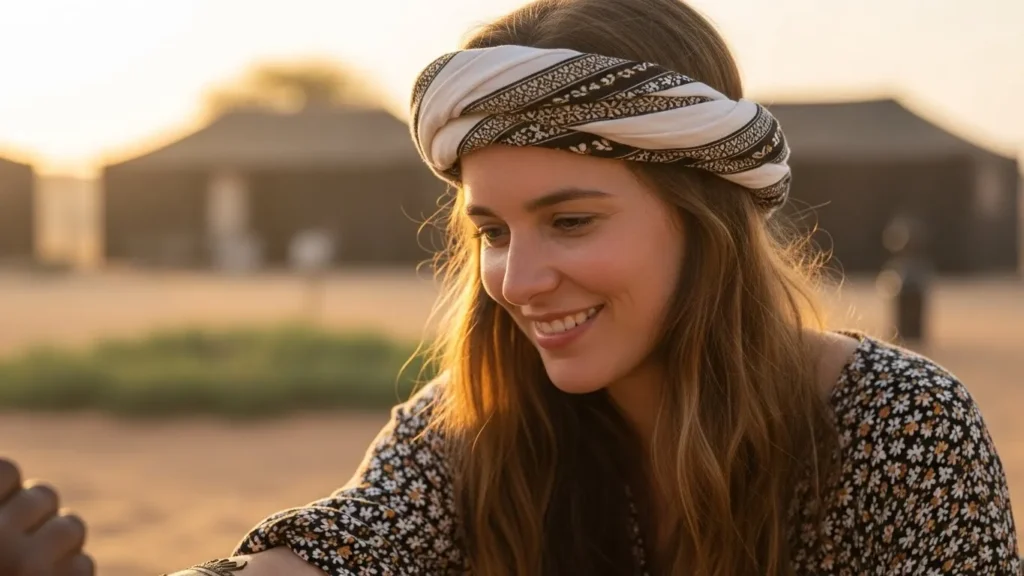
Shot 4: Visitor’s Reaction Focus
While the artist works, capture the visitor’s face. Look for expressions of concentration, curiosity, or a smile. This adds human emotion to your series.
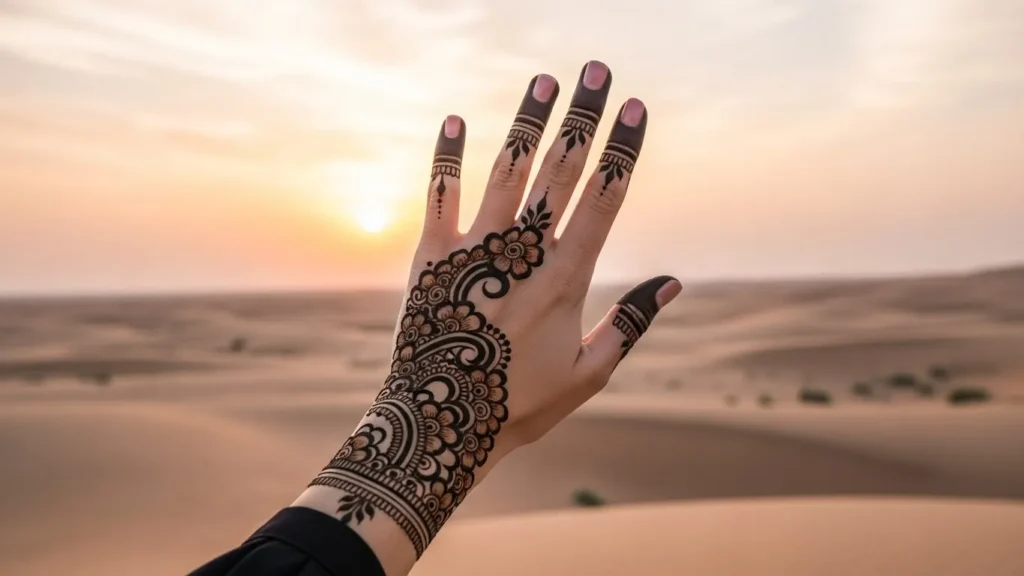
Shot 5: Henna Hand with Desert Background
Position the decorated hand against the desert. Let the dunes and sky be a soft background. This connects the art with the place.
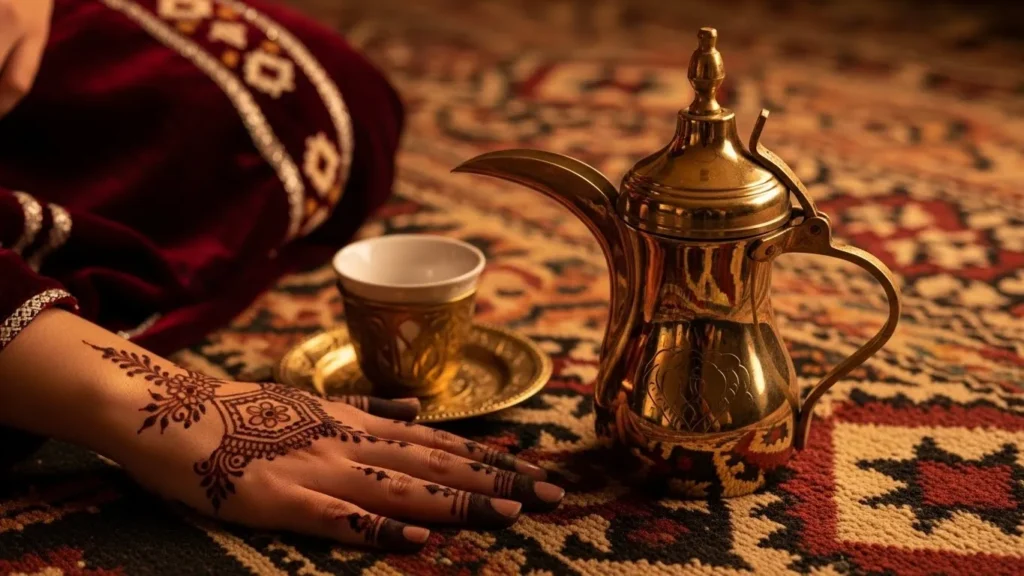
Shot 6: Traditional Camp Decor Details
Photograph the cultural decor around the camp. Shoot close-ups of patterned carpets, low cushions, and brass coffee pots. These are your props.
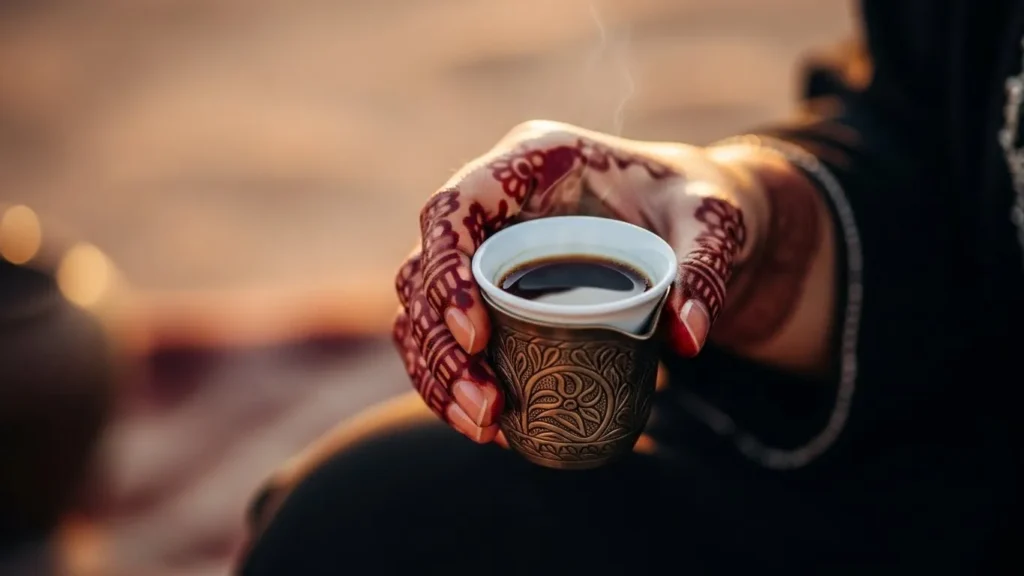
Shot 7: Henna and Arabic Coffee
Stage a simple shot. A hand with fresh henna holds a traditional Arabic coffee cup. It combines two cultural symbols in one frame.
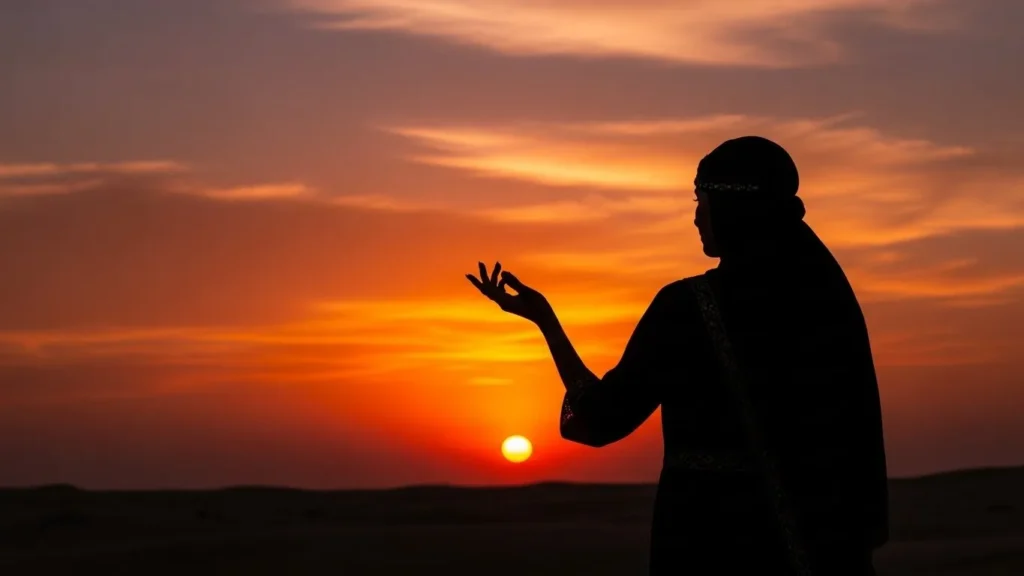
Shot 8: Silhouette at Sunset
For a dramatic shot, pose the person with their henna hand showing. Do this against the bright sunset sky. Create a clear silhouette.
Shot 9: The Drying Process
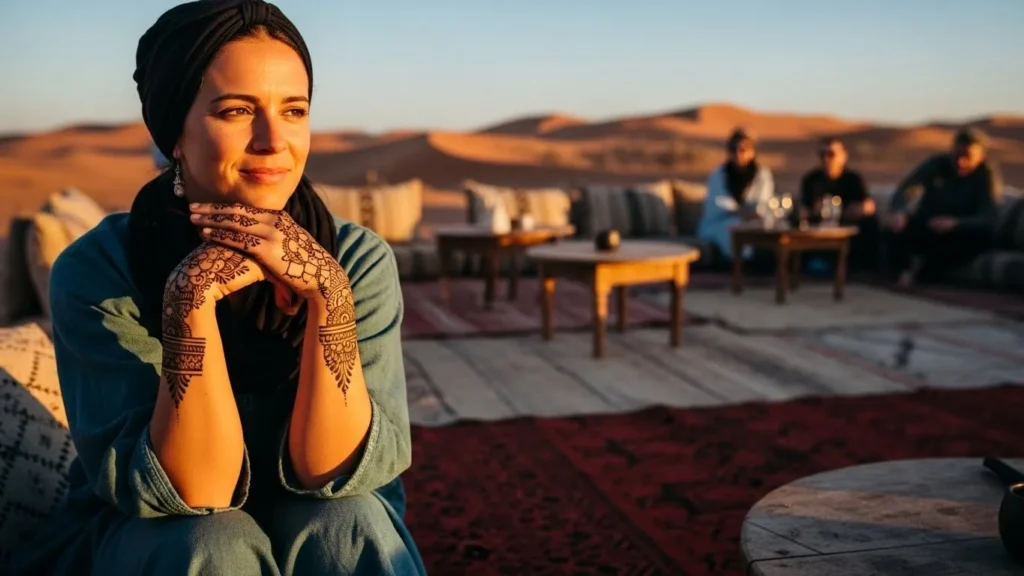
Show the waiting time. Photograph the person sitting calmly, hands resting, as the paste dries and cracks. It is a quiet, real moment.
Shot 10: Flaking Paste Texture
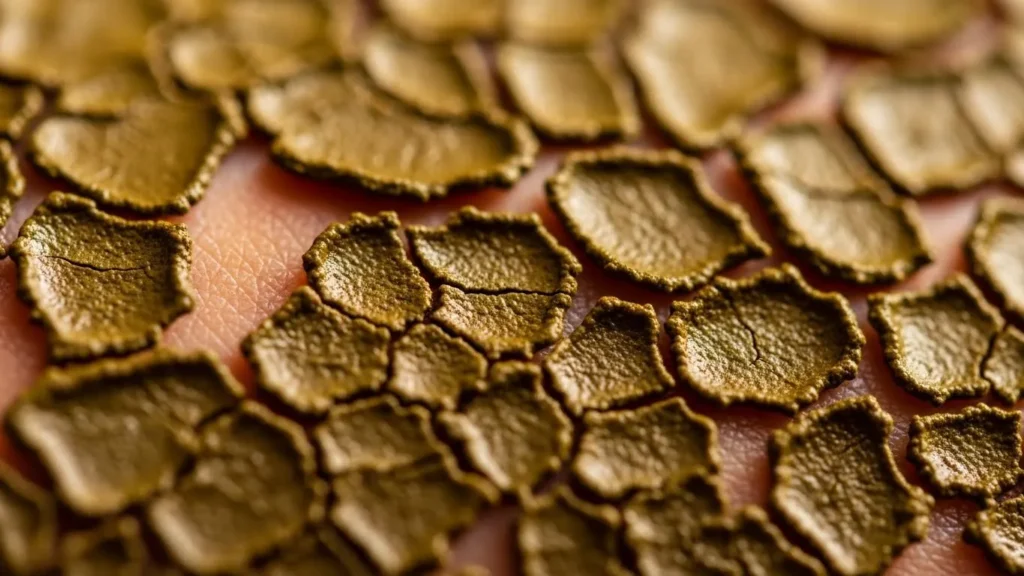
Use good side light to photograph the dried, flaking paste. The texture and peeling patterns can be very artistic.
Shot 11: The First Reveal
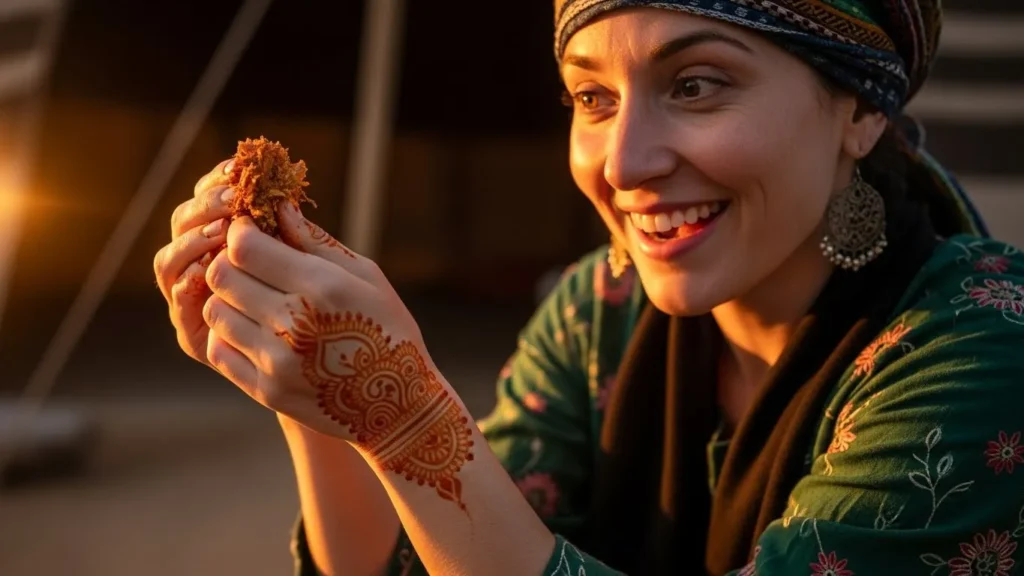
Capture the moment they first remove the dry paste. The bright orange stain underneath is a surprise. It is a photo of discovery.
Shot 12: New Henna with Falcon
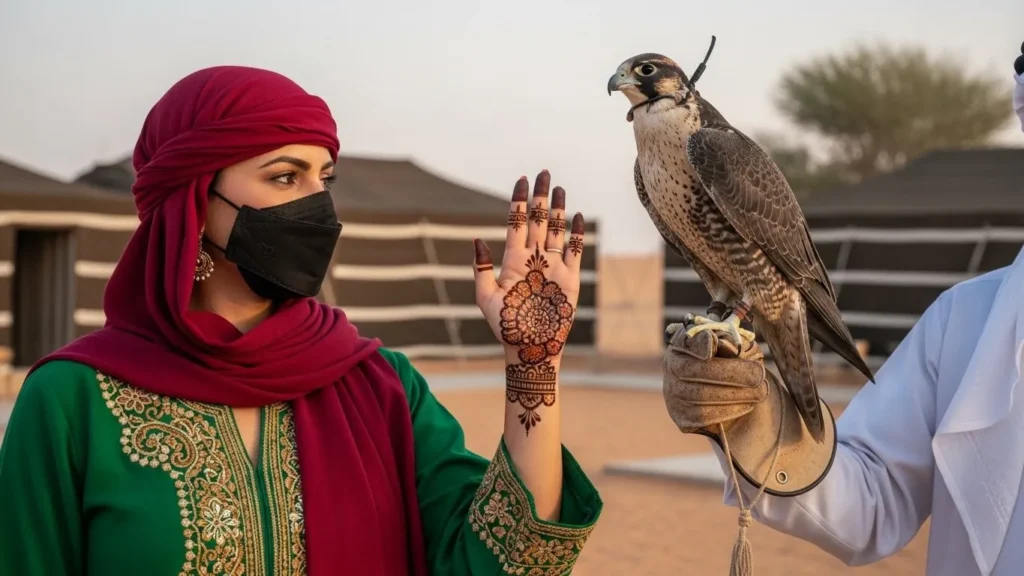
If available, include a falcon handler. A shot of the henna hand gently near the falcon creates a powerful cultural portrait.
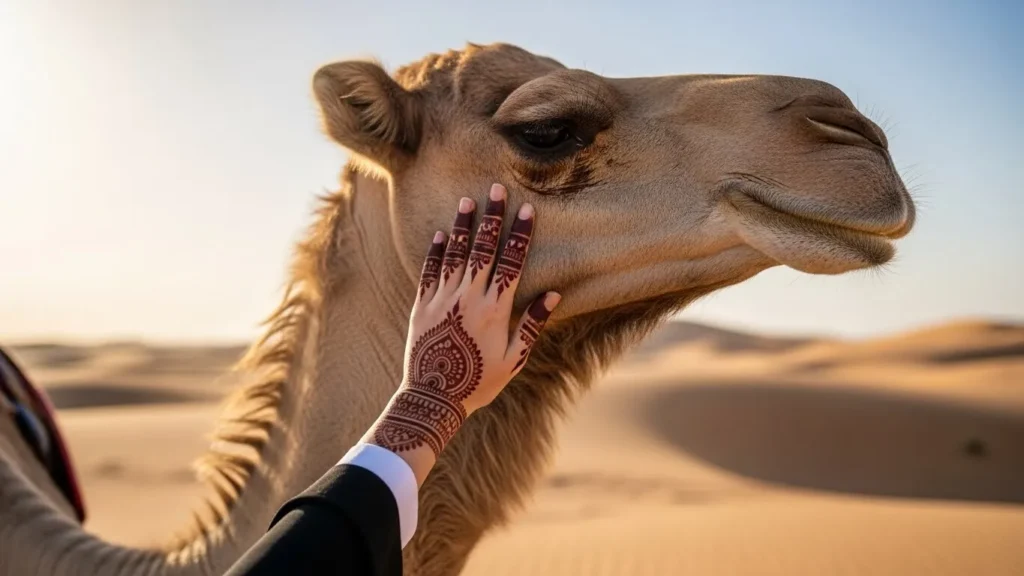
Shot 13: Artwork with Camel
Frame a camel’s head or neck beside the henna-decorated hand. The contrast of textures tells a story of desert life.
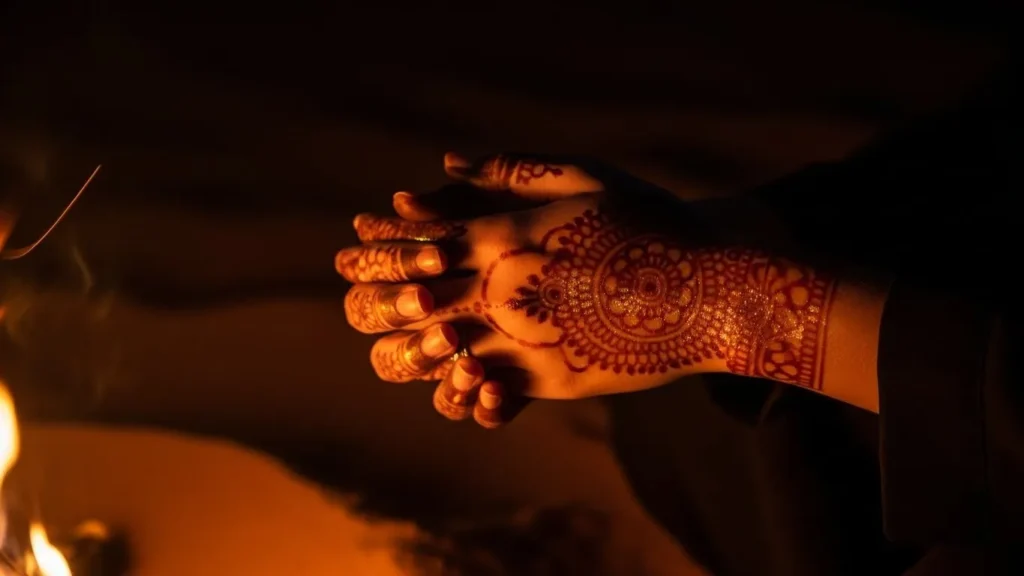
Shot 14: Henna in Campfire Light
After sunset, use the campfire light. The warm, flickering light on the henna design creates a magical and cozy feeling.
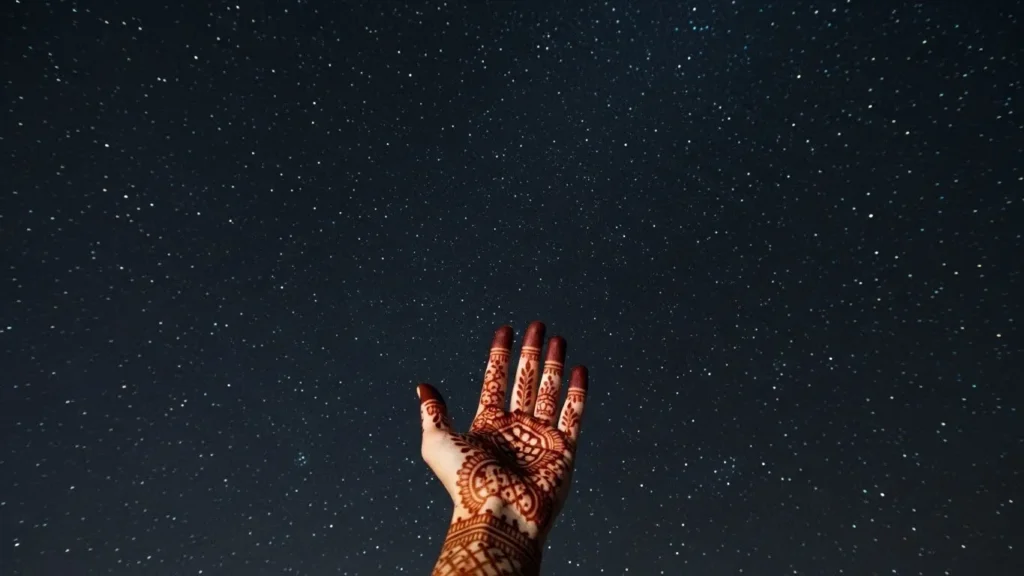
Shot 15: Starry Sky with Henna Hand
Use a long exposure. Have the person stretch their henna-decorated hand towards the starry desert sky. It is a creative night shot.
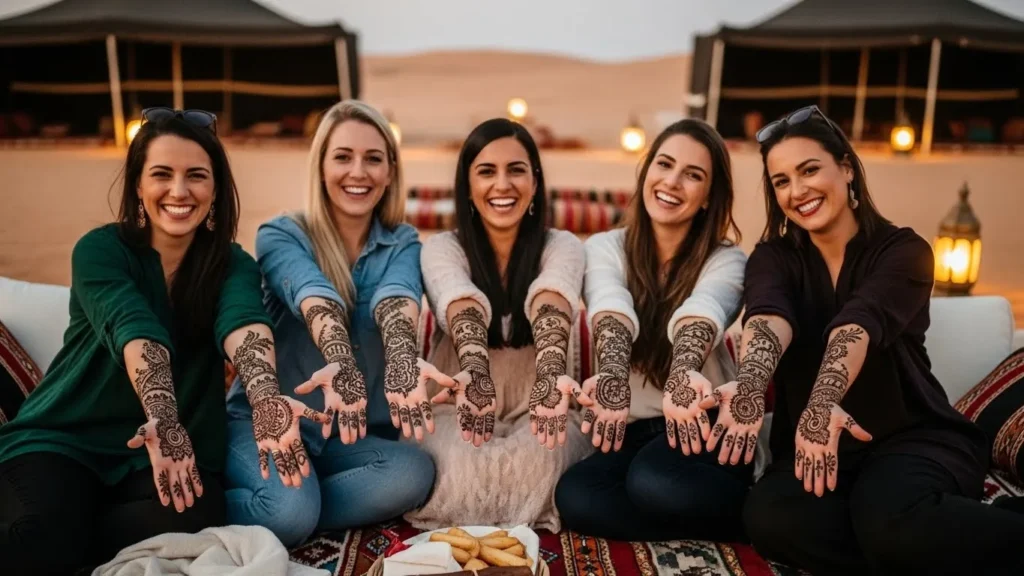
Shot 16: Group Henna Celebration
Photograph a group of friends or family all showing their henna together. This shows shared joy and is a great memory photo.
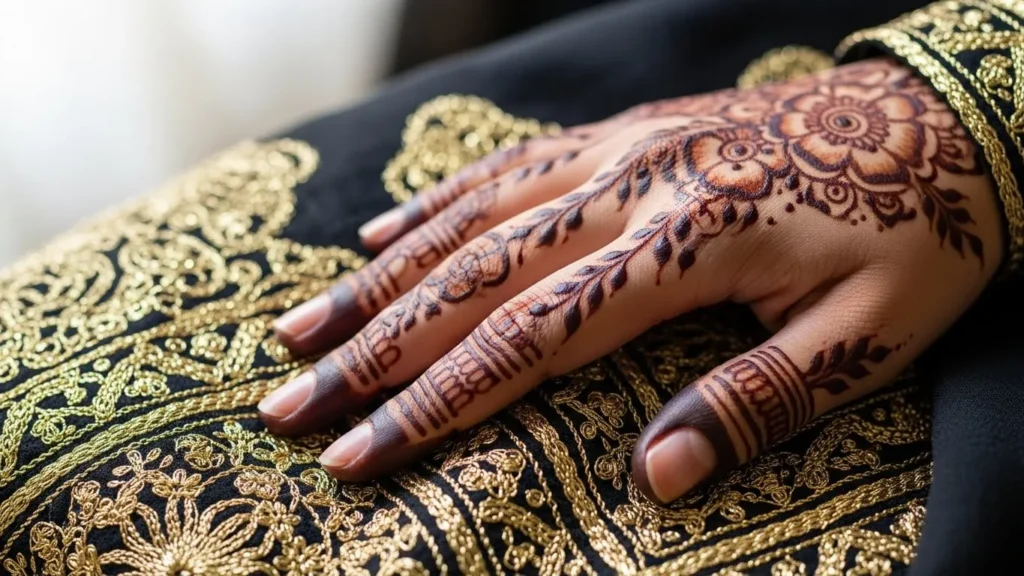
Shot 17: Henna and Traditional Dress
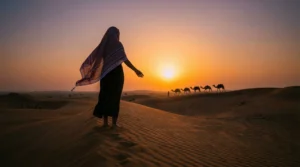
If someone wears an Emirati accessory like a shayla scarf, include it. Photograph the henna design alongside the fabric’s texture.
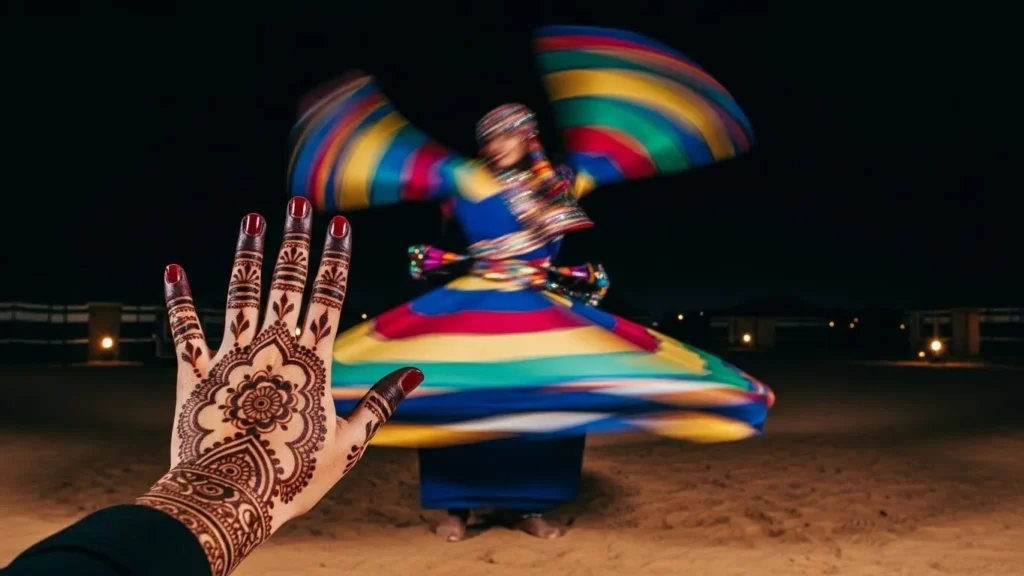
Shot 18: Motion Blur of Tanoura Dancer
During the Tanoura dance show, use a slower shutter speed. Capture the spinning dancer as a colorful blur behind a sharp henna hand.
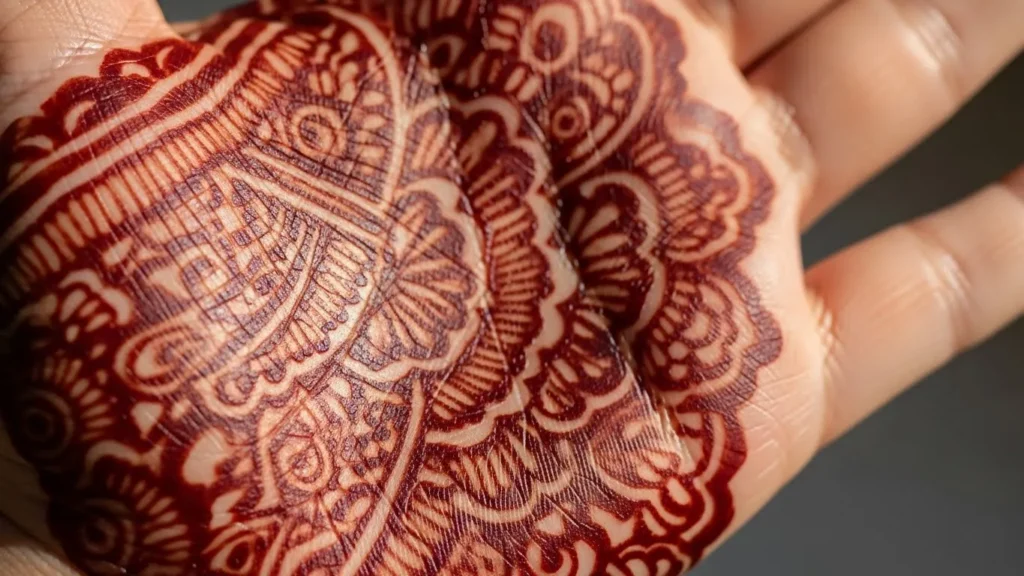
Shot 19: The Morning After Fade
Take a picture the next day. The stain will be darker and richer. Photograph it in natural morning light for a different look.
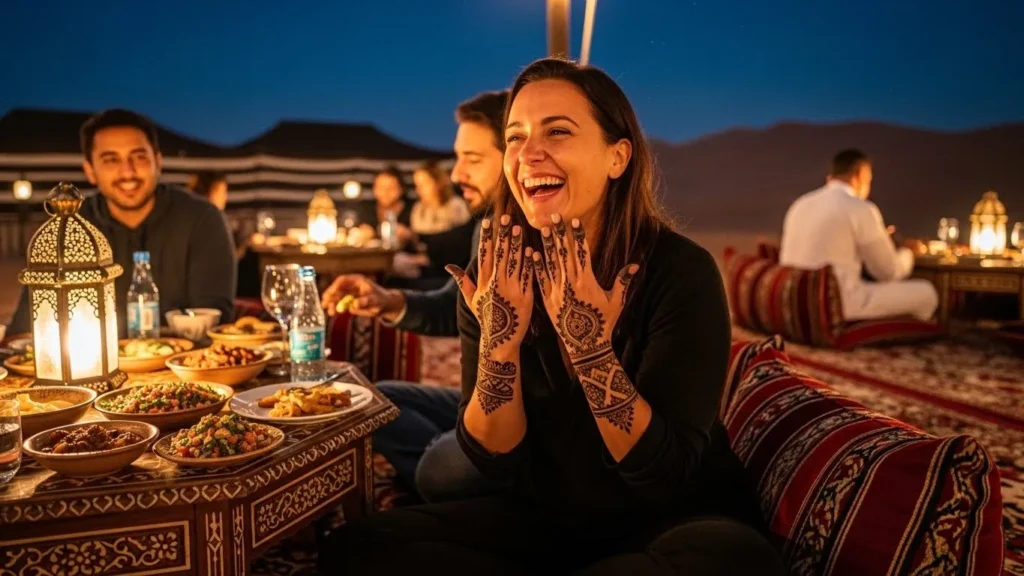
Shot 20: Candid Camp Life with Henna
Do not pose. Capture the person with henna simply enjoying the camp—smiling, talking, or eating. These candid shots feel the most real.
Seasonal Advice
My tips for a comfortable and successful photoshoot:
- Wear comfortable clothing. Choose light, breathable fabrics like cotton. Loose-fitting long sleeves protect you from the sun.
- Protect yourself from the sun. The desert sun is strong. Use sunscreen, a hat, and sunglasses.
- Plan for the season. The best weather for desert visits is from November to April. It is cooler and more pleasant.
- Be patient and respectful. The artist is creating delicate work. Always ask for permission before taking close-up photos of her or other guests.
- Protect your gear. Sand can damage cameras. Use a protective case and avoid changing lenses in the open wind.
- Eat before your session. Have a light meal before you get henna applied. You need to sit still for 20-30 minutes while it dries.
FAQs
Is henna art safe?
Yes, natural henna is safe. Reputable desert camps use pure, natural paste. Avoid “black henna” which can have chemicals.
How long does the henna last?
The design lasts between 1 to 3 weeks on your skin. It depends on your skin type and how well you care for it.
Can men get henna designs?
In traditional Emirati culture, henna is typically for women. Men are welcome to observe, photograph, and learn about the art.
What should I avoid after getting henna?
Avoid washing the area with water for at least 6-8 hours. Also avoid hand sanitizers and lotions, as they can fade the color faster.
Does the application hurt?
No. It is a painless process. The henna paste feels cool and soothing on your skin.
Can I choose my own design?
Yes. The artist will usually show you a book of designs to choose from. You can ask for a simple, specific pattern.
When is the best time for photos?
The “golden hour,” just before sunset, offers the softest and most beautiful light for photography in the desert.
What if my job doesn’t allow visible designs?
You can ask for a very small design in a less visible spot, like a finger or the side of your palm. Remember, it is temporary.
Plan Your Desert Henna Photography Experience
I recommend planning your visit with comfort and good timing in mind. For a relaxed experience, book an evening safari that includes henna art. This gives you the perfect golden hour light for photos in a female-friendly camp environment.
Working with a trusted local guide ensures you understand the cultural significance behind the art you are capturing. You can find a complete desert safari experience with cultural activities like henna painting at Desert Dinner Dubai.